Choosing the right approach to discovering heavenly places starts with clear context, practical filters, and realistic expectations.
Introduction to Heavenly Places
Heavenly places have been a subject of fascination and curiosity for centuries, with various cultures and religions interpreting their meaning and significance in distinct ways. These places are often considered sacred, spiritual, or divine, and are believed to possess a unique energy or aura that sets them apart from other locations. From the heavens of Christianity to the nirvana of Buddhism, heavenly places have played a crucial role in shaping human spirituality and guiding individuals on their journey towards enlightenment.
The Concept of Heaven in Christianity In Christianity, heaven is often depicted as a celestial realm where
the righteous and faithful dwell in the presence of God. It is described as a place of eternal joy, peace, and happiness, where believers will be reunited with their loved ones and experience the fullness of God's love. The concept of heaven has evolved over time, with various interpretations and understandings of its nature and significance. Some Christians believe that heaven is a physical place, while others see it as a spiritual realm or a state of being.
The Significance of Nirvana in Buddhism In Buddhism, nirvana is
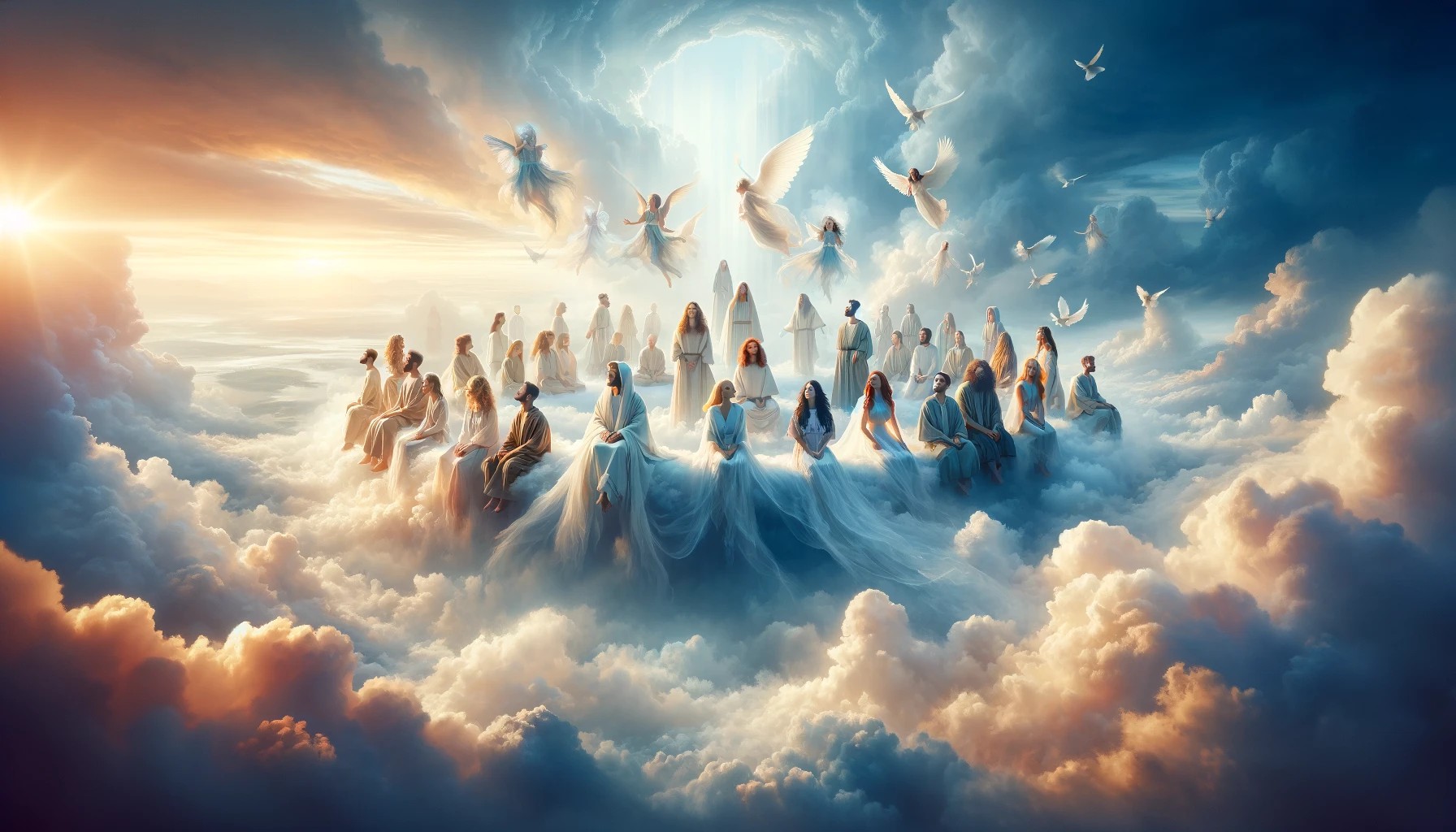
the ultimate goal of the spiritual journey, representing a state of liberation from the cycle of suffering and rebirth. It is often described as a place of perfect peace and happiness, where the individual ego and desires are transcended, and the true nature of reality is realized. Nirvana is not seen as a physical location, but rather as a state of consciousness that can be achieved through meditation, mindfulness, and the cultivation of wisdom.
The Role of Heavenly Places in Indigenous Cultures Heavenly places have also played a significant role in indigenous cultures, where they are often associated with ancestral lands, sacred rituals, and spiritual practices. In many Native American cultures, for example,
the land is considered sacred and is believed to hold spiritual power and energy. The concept of heavenly places is closely tied to the idea of a spiritual connection to the land and the ancestors, and is often reflected in the tribe's mythology, rituals, and traditions.
The Concept of Jannah in Islam In Islam, jannah is
the term used to describe the heavenly paradise that awaits the righteous and faithful. It is depicted as a place of beauty and luxury, with gardens, rivers, and palaces, where believers will be rewarded for their good deeds and faithfulness. Jannah is seen as a physical place, where the souls of the righteous will dwell in the presence of Allah, and will be reunited with their loved ones.
Common Characteristics of Heavenly Places Despite the differences in interpretation and understanding, heavenly places share certain
common characteristics across cultures and religions. These include:
- A sense of sacredness and spiritual significance
- A connection to the divine or a higher power
- A sense of peace, happiness, and joy
- A transcendence of the material world and its limitations
- A sense of community and unity with others
Practical Examples of Heavenly Places

Heavenly places can be experienced in various ways, from visiting sacred sites and participating in spiritual rituals, to practicing meditation and mindfulness. Some examples of heavenly places include:
- The Ganges River in Hinduism, which is considered sacred and is believed to have healing properties
- The city of Mecca in Islam, which is considered the holiest city in the Islamic world
- The monastery of Tibet, which is considered a sacred place of spiritual practice and contemplation
- The Grand Canyon in Native American culture, which is considered a sacred site and a place of spiritual power
Limitations and Challenges
While heavenly places can be a source of inspiration and guidance, they can also be limiting and challenging. Some of the limitations and challenges include:
- The risk of dogmatism and exclusivity, where one's own understanding of heavenly places is seen as the only true or valid one
- The danger of commercialization and exploitation, where sacred sites and spiritual practices are used for financial gain
- The challenge of cultural and linguistic barriers, which can limit our understanding and appreciation of heavenly places
Conclusion
Heavenly places have been a source of fascination and inspiration for centuries, with various cultures and religions interpreting their meaning and significance in distinct ways.
Whether seen as a physical place, a spiritual realm, or a state of consciousness, heavenly places have played a crucial role in shaping human spirituality and guiding individuals on their journey towards enlightenment. By exploring and understanding the concept of heavenly places, we can deepen our appreciation and respect for the diversity of human experience and the richness of spiritual traditions.
Frequently Asked Questions
- What is the meaning of heavenly places?
- Heavenly places refer to sacred, spiritual, or divine locations that are believed to possess a unique energy or aura, and are often associated with the divine or a higher power.
- What is the significance of heaven in Christianity?
- In Christianity, heaven is seen as a celestial realm where the righteous and faithful dwell in the presence of God, and is often depicted as a place of eternal joy, peace, and happiness.
- What is the concept of nirvana in Buddhism?
- In Buddhism, nirvana is the ultimate goal of the spiritual journey, representing a state of liberation from the cycle of suffering and rebirth, and is often described as a place of perfect peace and happiness.
- How do indigenous cultures view heavenly places?
- In indigenous cultures, heavenly places are often associated with ancestral lands, sacred rituals, and spiritual practices, and are seen as a spiritual connection to the land and the ancestors.
- What is the concept of jannah in Islam?
- In Islam, jannah is the term used to describe the heavenly paradise that awaits the righteous and faithful, and is depicted as a place of beauty and luxury, where believers will be rewarded for their good deeds and faithfulness.
- How can we experience heavenly places in our daily lives?
- We can experience heavenly places by visiting sacred sites, participating in spiritual rituals, practicing meditation and mindfulness, and cultivating a sense of wonder and awe for the world around us.
- What are some common challenges and limitations associated with heavenly places?
- Some common challenges and limitations include the risk of dogmatism and exclusivity, the danger of commercialization and exploitation, and the challenge of cultural and linguistic barriers.